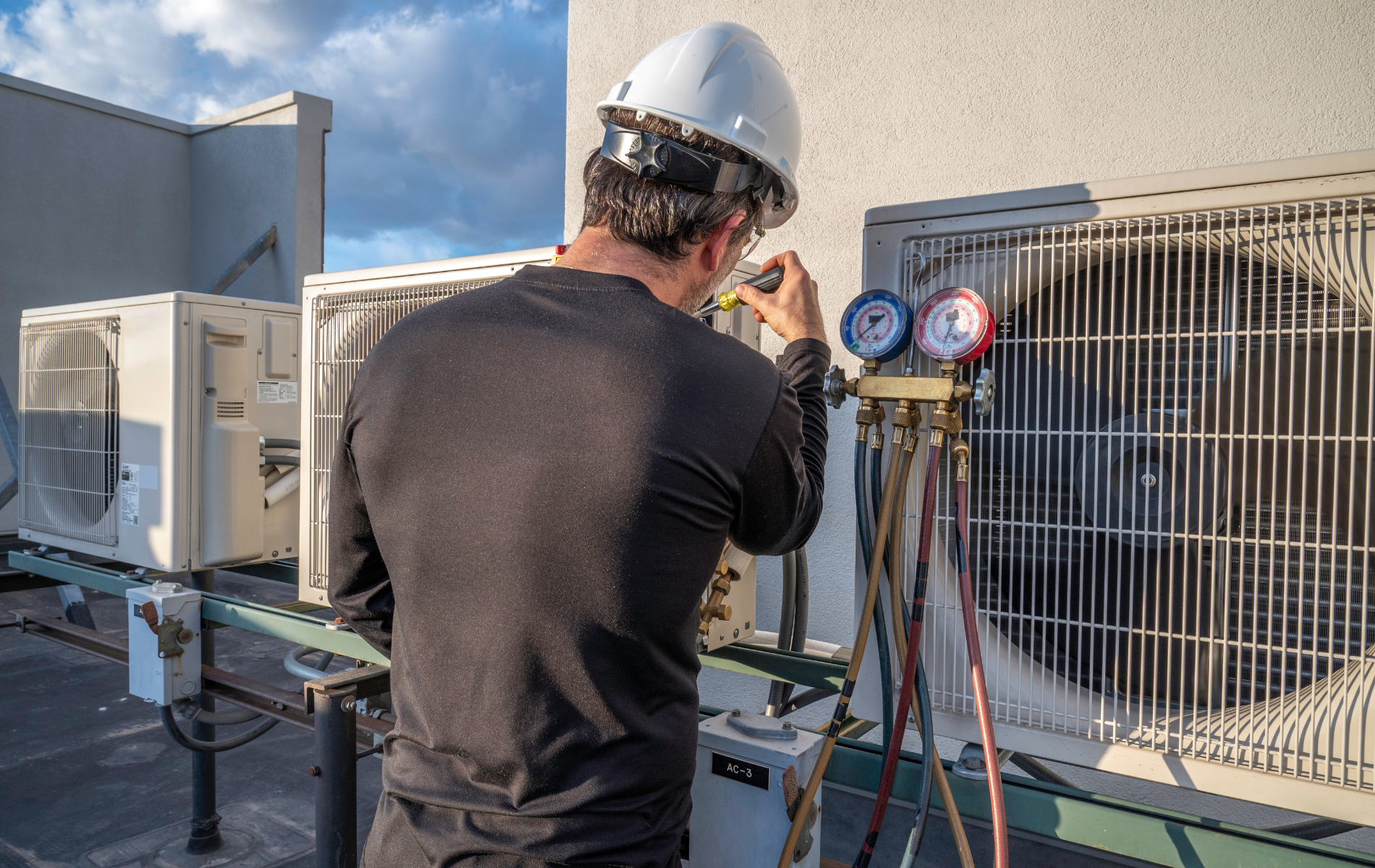
Signs You Need a New AC Before Summer Hits
Don’t Wait Until the First Heatwave
Utah summers hit fast—and hard. The first 90° week often catches homeowners off guard, and AC companies across Logan and Cache Valley get flooded with emergency calls from systems that suddenly stop working.
The key to staying cool—and avoiding expensive, last-minute breakdowns—is spotting the signs of AC failure early.
If your air conditioner is showing these symptoms, it may be time to consider a replacement before the summer rush hits.
1. Your AC Is 10–15 Years Old
Most AC units last around 10–15 years, depending on usage and maintenance. Utah’s hot summers can shorten that life expectancy, especially in older homes with outdated insulation or ductwork.
If your system is approaching this age—and showing performance issues—it’s often more cost-effective to replace than repair.
Why age matters:
- Parts wear out
- Efficiency declines
- Repairs become more frequent
- Refrigerant types may be outdated
Older systems also cost significantly more to run compared to modern, high-efficiency models.
2. Rising Energy Bills (Even When Usage Is the Same)
If your power bill jumps during the summer months—even though you haven’t changed your thermostat settings—it’s a strong sign your AC is losing efficiency.
Reasons older AC units use more energy:
- Worn compressors
- Dirty or failing coils
- Weak airflow
- Low refrigerant
- Outdated technology
Replacing an old AC with a high-efficiency system can reduce cooling costs by 20–40%.
3. Frequent Repairs and Breakdowns
Are you calling for AC repairs every summer? Does your system struggle to keep up during hot afternoons? That’s a sign it’s nearing the end of its life.
Typical repairs that signal the AC is on its last leg:
- Compressor issues
- Refrigerant leaks
- Blower motor failures
- Electrical control problems
A good rule of thumb:
If repair costs exceed 25–30% of a new system’s price, replacement is the smarter long-term investment.
4. Your AC Uses Outdated Refrigerant (R-22)
If your system was installed before 2010, there's a high chance it uses R-22 Freon, which is no longer manufactured.
This means:
- Repairs are more expensive
- Refrigerant recharges cost a premium
- Most leaks cannot be affordably fixed
Switching to a modern AC ensures you have access to affordable, environmentally friendly refrigerant (R-410A or newer).
5. Weak or Inconsistent Airflow
Poor airflow can indicate a variety of issues, including:
- Worn blower motor
- Damaged or leaky ductwork
- Failing capacitors
- Dirty coils
- Dying compressor
If airflow problems persist—despite filter changes and tune-ups—it’s a strong sign your system is wearing out.
6. Hot and Cold Spots Throughout the Home
If some rooms feel icy cold while others feel warm and humid, your AC may be struggling to distribute air evenly.
This can be caused by:
- Compressor failing
- Duct leaks
- Refrigerant issues
- Aging components
- System that’s improperly sized
Older AC units often cannot maintain even temperatures in multi-level or large homes—newer systems with variable-speed technology handle these challenges far better.
7. Strange Noises or Unusual Smells
Sounds or odors are your AC’s way of calling for help.
Common noises that signal trouble:
- Grinding
- Screeching
- Buzzing
- Rattling
- Clicking
These can indicate failing motors, loose components, or electrical problems.
Unpleasant smells may mean:
- Mold in the coils or ductwork
- Burning electrical components
- Overheating motors
- Refrigerant leaks
Ignoring these warning signs can lead to total system failure.
8. AC Runs Constantly Without Cooling Properly
If your system never seems to catch up—even after hours of running—something is wrong.
Possible causes:
- Low refrigerant
- Failing compressor
- Dirty coils
- Airflow restrictions
- Undersized system
When repair after repair doesn’t restore full cooling capability, replacement becomes the best option.
9. High Indoor Humidity Levels
Older AC systems struggle to remove moisture from the air, leaving your home feeling sticky or muggy even when it’s cool.
This often indicates:
- Weak compressor
- Oversized system
- Failing evaporator coil
Newer AC models excel at humidity control, especially variable-speed and two-stage systems.
10. Repair Techs Suggest Replacement
When technicians repeatedly warn that your system is on its last legs, it’s not just about selling you something—there truly comes a point where repairing an old AC becomes wasteful.
At Four Seasons Heating & A/C, we never push replacements unnecessarily—if a repair makes sense, we’ll say so. But when replacement saves you more money long-term, we provide honest recommendations and options.
Real Example from Cache Valley
A homeowner in North Logan called us for their fourth AC repair in two summers. Their 16-year-old system had a failing compressor and used outdated R-22 refrigerant. Rather than sinking more money into repairs, we installed a new high-efficiency system with a variable-speed compressor.
Results:
- 32% reduction in cooling costs
- Even temperatures throughout the home
- Quieter operation
- No more emergency summer breakdowns
Planning Ahead Saves Money—and Stress
Replacing your AC before summer arrives ensures:
- Better choice of equipment
- No emergency scheduling delays
- Proper installation without weather pressure
- Improved comfort on the first hot day of the year
- Lower utility bills from day one
Utah summers are unforgiving—having a reliable, efficient AC is essential.
Stay Cool All Summer with Four Seasons Heating & A/C
Whether your AC is showing warning signs or you want a professional evaluation before temperatures rise, we’re here to help.
We offer:
- Free AC replacement estimates
- Load calculations to size your system correctly
- High-efficiency AC options for Utah climates
- Financing options
- 24/7 emergency service
Call Today for an AC Replacement Consultation:
(435) 770-7025
Email:fourseasonslogan@gmail.com
Serving Logan, Cache Valley & surrounding Utah and Idaho areas