HVAC Tune-Ups: More Than Just a Quick Check
Many homeowners hear the term “HVAC tune-up” but aren’t exactly sure what it involves. Some assume it’s just a filter change or a quick glance at the system. In reality, a professional HVAC tune-up is a detailed, multi-step process designed to keep your system running safely, efficiently, and reliably—especially in Utah’s demanding climate.
In Logan, Cache Valley, and surrounding areas, HVAC systems endure long winters, hot summers, and constant seasonal transitions. Without routine maintenance, even high-quality equipment can lose efficiency, suffer premature wear, or fail unexpectedly.
At Four Seasons Heating & A/C, our tune-ups are designed to prevent problems before they start. Here’s exactly what happens during a professional HVAC tune-up—and why it matters so much.
Why HVAC Tune-Ups Are Essential in Utah
Utah’s climate places unique stress on heating and cooling systems:
- Furnaces run heavily for months at a time
- AC systems face sudden heatwaves
- Temperature swings strain components
- Dry air increases dust buildup
Without maintenance, systems gradually lose performance while energy costs climb. Tune-ups keep your system prepared for extreme conditions instead of reacting to breakdowns after they happen.
Step 1: Full System Inspection
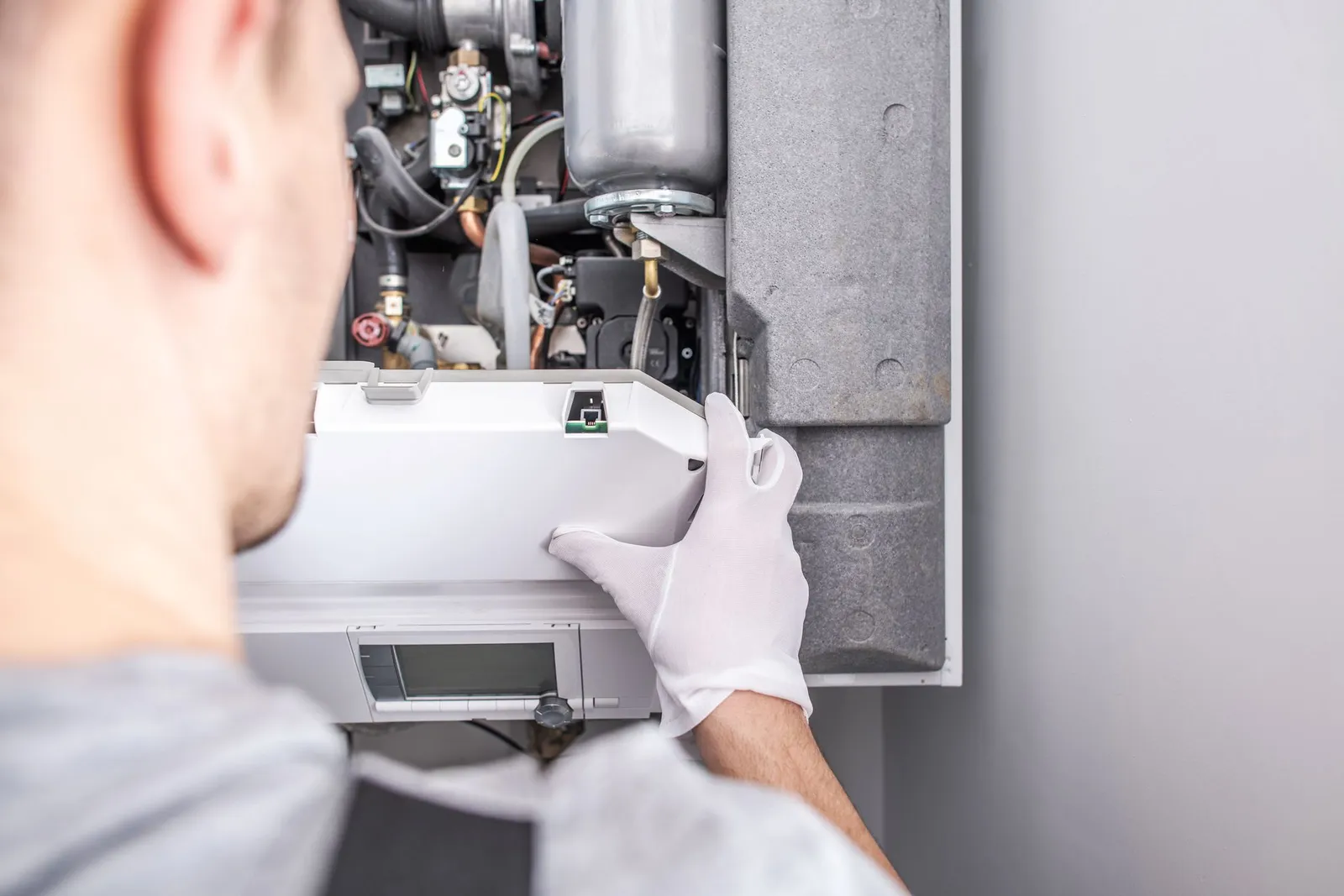
Every tune-up begins with a comprehensive inspection of your HVAC system.
Technicians examine:
- Furnace or air handler
- Air conditioner or heat pump
- Electrical connections
- Safety controls
- Thermostat operation
This step allows us to spot early signs of wear, corrosion, or failure that aren’t visible to homeowners.
Early detection is key—fixing small issues now prevents major repairs later.
Step 2: Air Filter Inspection and Replacement
Air filters are one of the most important—and most neglected—parts of any HVAC system.
During a tune-up, we:
- Inspect the current filter
- Replace it if dirty or clogged
- Recommend the correct filter type
Dirty filters restrict airflow, reduce efficiency, and increase strain on motors. In Utah homes, where systems run frequently, clean filters are essential for performance and indoor air quality.
Step 3: Cleaning Critical Components
Dust and debris reduce efficiency and shorten system lifespan. Professional tune-ups include cleaning components that homeowners typically can’t access safely.
This may include:
- Blower assemblies
- Evaporator coils
- Condenser coils
- Burners and flame sensors
Clean components allow heat to transfer efficiently, reducing runtime and energy use.
Step 4: Electrical System Testing
HVAC systems rely on precise electrical performance. Loose or failing electrical components are a common cause of breakdowns.
- Tighten electrical connections
- Test capacitors and relays
- Inspect control boards
- Measure voltage and amperage
Electrical testing prevents sudden failures and reduces fire and safety risks.
Step 5: Airflow and Duct Evaluation
Proper airflow is essential for comfort and efficiency.
We check:
- Supply and return airflow
- Blower performance
- Signs of duct restriction or imbalance
Poor airflow causes uneven temperatures, noisy operation, and higher energy bills. Addressing airflow issues early improves comfort throughout the home.
Step 6: Refrigerant Level Check (Cooling Systems)
For air conditioners and heat pumps, refrigerant levels must be precise.
Low refrigerant can cause:
- Warm air from vents
- Frozen coils
- Compressor damage
- Increased energy usage
During a tune-up, we verify refrigerant levels and inspect for signs of leaks. Refrigerant issues are never ignored—early correction protects your system’s most expensive components.
Step 7: Combustion and Safety Checks (Heating Systems)
For gas furnaces, safety is a top priority.
We inspect:
- Heat exchanger integrity
- Burner operation
- Flame color and stability
- Gas pressure
- Carbon monoxide risks
Cracked heat exchangers or improper combustion can pose serious health hazards. Annual inspection is essential for family safety.
Step 8: Thermostat Calibration and Testing
Even a perfectly functioning HVAC system can waste energy if the thermostat isn’t accurate.
- Test thermostat accuracy
- Verify system response
- Adjust settings if needed
If you use a smart thermostat, we also ensure proper configuration and connectivity.
Step 9: Lubrication of Moving Parts
Motors and bearings require proper lubrication to reduce friction and wear.
Lack of lubrication causes:
- Increased energy consumption
- Overheating
- Premature motor failure
Lubrication extends the life of moving components and keeps systems running quietly.
Step 10: Performance Testing
Before finishing, we test system operation under normal conditions.
This includes:
- Startup and shutdown cycles
- Temperature rise or drop measurements
- System response time
Performance testing confirms everything is operating correctly before we leave.
What a Tune-Up Prevents
Regular HVAC tune-ups help prevent:
- Emergency breakdowns
- High energy bills
- Uneven temperatures
- Shortened equipment lifespan
- Carbon monoxide hazards
Many major HVAC failures are the result of long-term neglect—not sudden defects.
How Often Should You Schedule a Tune-Up?
For Utah homes, we recommend:
- One tune-up per year minimum
- Two per year for systems with both heating and cooling
Fall tune-ups prepare furnaces for winter. Spring tune-ups prepare AC systems for summer heat.
Real Example from Cache Valley
A homeowner in Logan scheduled a routine furnace tune-up before winter. During inspection, we discovered a dirty flame sensor and restricted airflow.
After cleaning and adjustments:
- Furnace efficiency improved
- Startup issues were resolved
- Heating bills dropped noticeably
- A mid-winter breakdown was avoided
Routine maintenance saved the homeowner hundreds in emergency repairs.
Why DIY Maintenance Is Not Enough
While homeowners can change filters and keep vents clear, most HVAC maintenance requires specialized tools, training, and safety precautions.
Professional tune-ups address internal components that DIY efforts cannot handle.
Tune-Ups vs Repairs: The Cost Difference
Tune-ups cost far less than emergency repairs or replacements.
Think of maintenance like oil changes for your car—skipping them eventually leads to expensive engine problems.
Protect Your HVAC Investment
Your HVAC system is one of the largest investments in your home. Regular tune-ups protect that investment and ensure reliable performance year after year.