When winter hits Utah, windows stay closed, furnaces run nonstop, and the dry mountain air creeps into every room. Combine that with dust, allergens, and trapped pollutants—and indoor air quality can drop quickly.
Many homeowners don’t realize that indoor air can be
2–5 times more polluted than outdoor air during the winter months.
Poor air quality can lead to:
- Dry skin and sinuses
- More allergy or asthma flare-ups
- Headaches and fatigue
- Increased dust buildup
- Respiratory irritation
- Spread of viruses and bacteria
At Four Seasons Heating & A/C, we help homeowners across Logan, Cache Valley, and Idaho improve their air quality and breathe easier during the coldest months of the year. Here’s how you can do the same.
1. Replace Your Furnace Filters Regularly
Your furnace filter is the first line of defense against polluted indoor air. In Utah winters—when systems run constantly—filters get dirty faster.
Replace filters every:
- 30 days for basic fiberglass filters
- 60–90 days for pleated filters
- 6–12 months for media filter cabinets
A clean filter removes dust, pollen, dander, lint, and even some bacteria from circulation.
2. Add a Whole-Home Humidifier
Utah winters are extremely dry. When humidity drops below 30%, you may experience:
- Itchy skin
- Cracked lips
- Static shocks
- Dry coughing
- Irritated nasal passages
- Warped wood floors and furniture
A whole-home humidifier adds the perfect level of moisture to your air automatically. This not only improves comfort—it makes your home feel warmer at lower temperatures, reducing heating bills.
3. Keep Vents and Registers Clean
Dust, pet hair, and debris can accumulate quickly around vents during winter. This reduces airflow and stirs contaminants throughout your home.
Once a month, vacuum:
- Supply registers
- Return air grilles
- Floor vents
- High wall vents
Proper airflow keeps your furnace running efficiently and prevents dust recirculation.
4. Use a High-Efficiency Air Filter
Basic 1-inch filters offer limited protection. Upgrading to a MERV 8–13 filter can significantly reduce airborne contaminants.
Higher-MERV filters trap:
- Pollen
- Mold spores
- Pet dander
- Fine dust
- Smoke particles
- Bacteria
If you have allergies or asthma, consider a
media filter cabinet or whole-home air purification system.
5. Consider an Air Purifier or UV Air Cleaner
For the highest indoor air quality—especially during cold and flu season—an air purification system makes a dramatic difference.
Popular options include:
- UV-C lights: Kill bacteria, viruses, and mold inside your HVAC system.
- Electronic air cleaners: Capture microscopic pollutants.
- Whole-home purifiers: Clean every cubic foot of air passing through your ducts.
These systems operate quietly and continuously, keeping your air fresh and sanitary all winter long.
6. Increase Home Ventilation (Safely)
Because windows stay shut in winter, pollutants build up indoors.
Improve ventilation by:
- Running bathroom and kitchen exhaust fans
- Opening windows briefly on mild days
- Using energy recovery ventilators (ERVs)
An ERV exchanges stale indoor air with fresh outdoor air—without losing heat. This is perfect for tight, newer homes that trap air easily.
7. Have Your Ductwork Inspected and Cleaned
Dust, pet hair, construction debris, and allergens can accumulate inside ductwork over time.
Signs you may need duct cleaning:
- Musty smells
- Dusty air even after cleaning
- HVAC vents with black or gray buildup
- Allergy symptoms that worsen indoors
Duct cleaning helps your system deliver cleaner air and operate more efficiently.
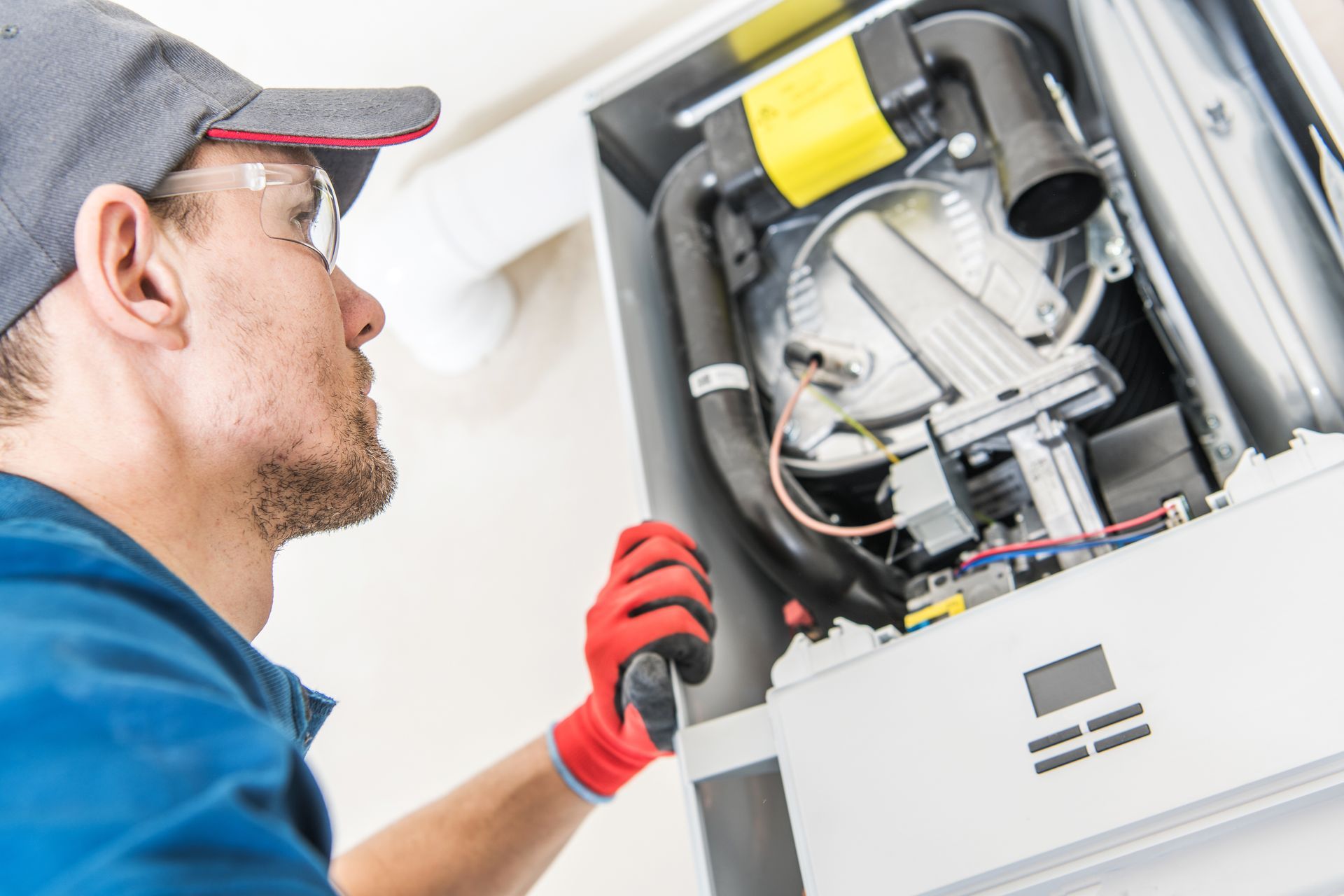
8. Schedule a Professional Furnace Tune-Up
A dirty or poorly maintained furnace can send pollutants, soot, and burnt particles into the air.
During a tune-up, we:
- Clean burners and blower components
- Check for gas or carbon monoxide leaks
- Inspect duct connections
- Replace filters
- Improve airflow
This prevents contaminants from entering your home and keeps your furnace burning clean.
9. Test for Carbon Monoxide (CO)
Utah homeowners rely heavily on gas furnaces during winter—making CO safety essential.
Install CO detectors:
- Outside bedrooms
- On every floor
- Near furnace or gas appliances
And have your HVAC system inspected annually for:
- Cracked heat exchangers
- Blocked flues
- Faulty burners
- Venting issues
A professional CO safety check keeps your family protected from the silent dangers of carbon monoxide.
10. Reduce Dust and Allergens at the Source
Indoor air quality isn’t only about your HVAC system—it’s also about home habits.
Helpful steps include:
- Frequent vacuuming (HEPA vacuums work best)
- Washing bedding weekly
- Keeping pets groomed
- Using doormats to reduce tracked-in dirt
Cleaner homes = cleaner air.
Real Example from Cache Valley
A homeowner in Hyrum noticed constant dryness, dust buildup, and scratchy throats during winter. After our evaluation, we installed:
- A whole-home humidifier
- A MERV 11 media filter cabinet
- UV air purification
Within a week, their air felt fresher, humidity stabilized, and allergy symptoms improved dramatically.
Ready to Breathe Cleaner Air This Winter?
Utah winters are long—and spending more time indoors makes good air quality essential for your health and comfort.
At Four Seasons Heating & A/C, we offer:
- Indoor air quality testing
- Whole-home humidifiers
- Air purification systems
- High-efficiency filter upgrades
- Duct inspections and cleaning
- Furnace tune-ups and CO safety checks
If your home feels dry, dusty, or uncomfortable this winter, we can help.