
February 27, 2026
Heat Pumps Are Everywhere—But Are They Right for Utah?
If you've been researching HVAC upgrades lately, you've probably noticed heat pumps being talked about everywhere. Utilities promote them, manufacturers advertise them, and homeowners are increasingly curious:
Can one system really heat and cool my home efficiently?
The answer is yes—but only if it's the right fit for your home and climate.
Utah presents a unique challenge for heat pumps. While summers are hot and dry, winters in places like Logan and Cache Valley can be long, cold, and unpredictable. That's why understanding how heat pumps work—and where they excel or struggle—is essential before making the investment.
At Four Seasons Heating & A/C, we help homeowners determine whether heat pumps make sense for their specific needs. Let's break down the pros, cons, and key factors to consider.
What Is a Heat Pump (and How Does It Work)?
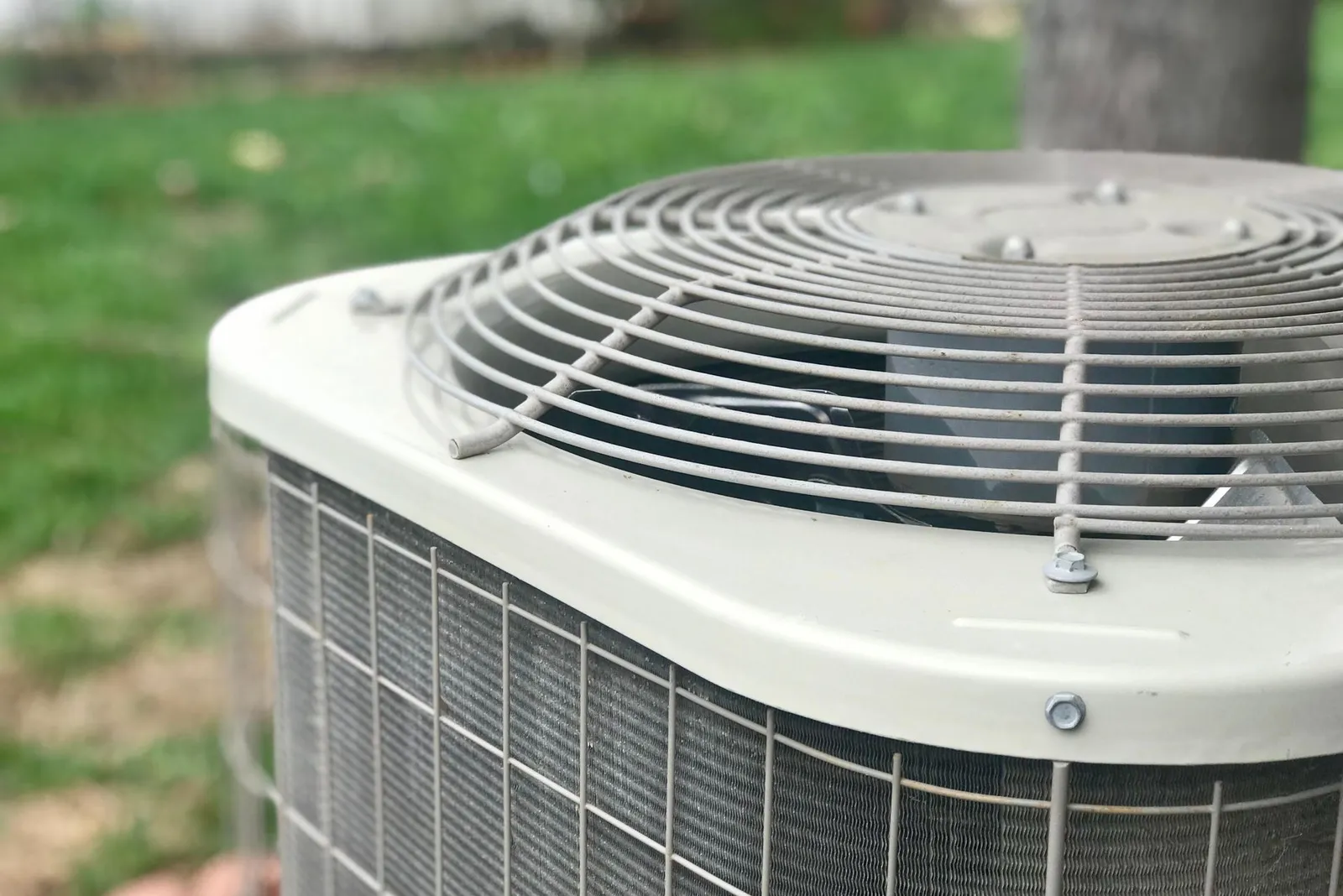
A heat pump doesn't generate heat the way a furnace does. Instead, it moves heat from one place to another.
In summer, it works like an air conditioner—removing heat from inside your home and releasing it outdoors.
In winter, it reverses direction—pulling heat from the outdoor air and transferring it indoors.
Even when it's cold outside, there is still heat energy in the air. Modern heat pumps are designed to extract that heat efficiently—up to a point.
Pro #1: One System for Heating and Cooling
One of the biggest advantages of a heat pump is that it replaces both a furnace and an air conditioner.
Benefits include:
- Fewer components to maintain
- Cleaner system design
- Consistent comfort year-round
- Simplified controls
For homeowners looking to modernize their HVAC setup, this all-in-one approach is appealing.
Pro #2: High Energy Efficiency
Heat pumps are among the most energy-efficient HVAC systems available—especially during mild weather.
Because they move heat instead of generating it, they can deliver:
- 2–4 times more energy than they consume
- Lower electricity usage compared to resistance heating
- Reduced carbon footprint
In spring, fall, and moderate winter conditions, heat pumps can dramatically reduce heating costs.
Pro #3: Lower Operating Costs (in the Right Conditions)
In areas with mild winters, heat pumps often cost less to operate than gas furnaces. In Utah, the savings depend heavily on:
- Outdoor temperatures
- Electricity vs gas prices
- Home insulation
- System type (standard vs cold-climate heat pump)
When paired with good insulation and a properly sized system, many Utah homeowners see noticeable savings during shoulder seasons.
Pro #4: Improved Comfort and Air Quality
Heat pumps provide:
- Steadier temperatures
- Longer run cycles (less on/off cycling)
- Better air filtration opportunities
This leads to fewer temperature swings and improved indoor comfort—especially when combined with smart thermostats and zoning.
Con #1: Performance Drops in Extreme Cold
This is the biggest concern for Utah homeowners.
As outdoor temperatures drop, traditional heat pumps become less efficient. Below certain thresholds (often around 25–30°F for standard models), they struggle to extract enough heat.
In places like Logan, where winter temperatures can dip into the teens or lower, this becomes a critical factor.
The Solution: Cold-Climate Heat Pumps
Modern cold-climate heat pumps are designed specifically for colder regions.
They feature:
- Enhanced compressors
- Advanced refrigerants
- Variable-speed technology
Some models can operate efficiently down to -5°F or even lower.
However, these systems:
- Cost more upfront
- Require precise installation and sizing
- Still benefit from a backup heat source
Con #2: Higher Upfront Cost
Compared to standard furnaces or AC units, heat pumps generally have a higher installation cost—especially cold-climate models.
Costs vary based on:
- Home size
- Ductwork condition
- Electrical upgrades needed
- Backup heating systems
That said, rebates, tax incentives, and long-term energy savings often offset the initial expense.
Con #3: Backup Heat Is Often Required
In Utah, most heat pump systems are paired with:
- Electric resistance heat strips, or
- A gas furnace (dual-fuel system)
This ensures your home stays warm during extreme cold snaps.
A dual-fuel system automatically switches between the heat pump and furnace based on efficiency—giving you the best of both worlds.
Pro #5: Eligible for Incentives and Rebates
Many heat pump installations qualify for:
- Federal tax credits
- Utility rebates
- Energy efficiency incentives
These programs can significantly reduce upfront costs. We help homeowners navigate available incentives and ensure proper documentation.
Con #4: Not Every Home Is a Good Candidate
Heat pumps work best in homes with:
- Good insulation
- Tight building envelopes
- Proper ductwork design
Older homes with leaky ducts or poor insulation may require upgrades before a heat pump can perform effectively.
That's why professional evaluation is critical.
Heat Pumps vs Furnaces: Utah Comparison
Furnaces
- Excellent cold-weather performance
- Lower upfront cost
- Uses gas or propane
- Higher emissions
Heat Pumps
- Extremely efficient in mild temps
- Lower emissions
- One system for heating and cooling
- Requires backup heat in cold climates
Many Utah homeowners choose hybrid systems for optimal performance.
Real Example from Cache Valley
A homeowner in Providence wanted to reduce energy costs and replace an aging furnace and AC. After evaluating insulation, ductwork, and winter temperature patterns, we installed a dual-fuel heat pump system.
Results:
- Heat pump handled ~80% of heating days
- Furnace kicked in only during extreme cold
- Lower energy bills
- Improved comfort and quieter operation
The homeowner gained efficiency without sacrificing winter reliability.
How We Help You Decide
At Four Seasons Heating & A/C, we don't push one solution for every home.
Our process includes:
- Load calculations
- Climate analysis
- Duct inspection
- Cost comparison
- Incentive review
We help you choose what works best—not what's trendy.
So… Are Heat Pumps Worth It in Utah?
Yes—when properly designed, installed, and paired with the right backup system.
Heat pumps are an excellent option for many Utah homes, especially when:
- You want year-round efficiency
- You qualify for incentives
- You install cold-climate or dual-fuel systems
- Your home is well insulated
But they are not a one-size-fits-all solution—and professional guidance matters.