High Energy Bills Don't Always Mean You Need a New System
When utility bills start climbing, many homeowners assume their HVAC system is failing and needs to be replaced. While replacement can sometimes be the right answer, it's not always necessary.
In fact, many Utah homeowners can significantly reduce heating and cooling costs by optimizing their existing system, improving airflow, and making a few strategic upgrades—all without replacing their furnace or air conditioner.
At Four Seasons Heating & A/C, we help homeowners across Logan, Cache Valley, and surrounding Utah and Idaho communities lower energy bills every year using smarter, more cost-effective solutions. Here's how you can do the same.
1. Schedule a Professional HVAC Tune-Up
If your system hasn't been serviced in the last year, this should be your first step.
Dust, debris, and wear reduce efficiency over time, causing your system to work harder than necessary.
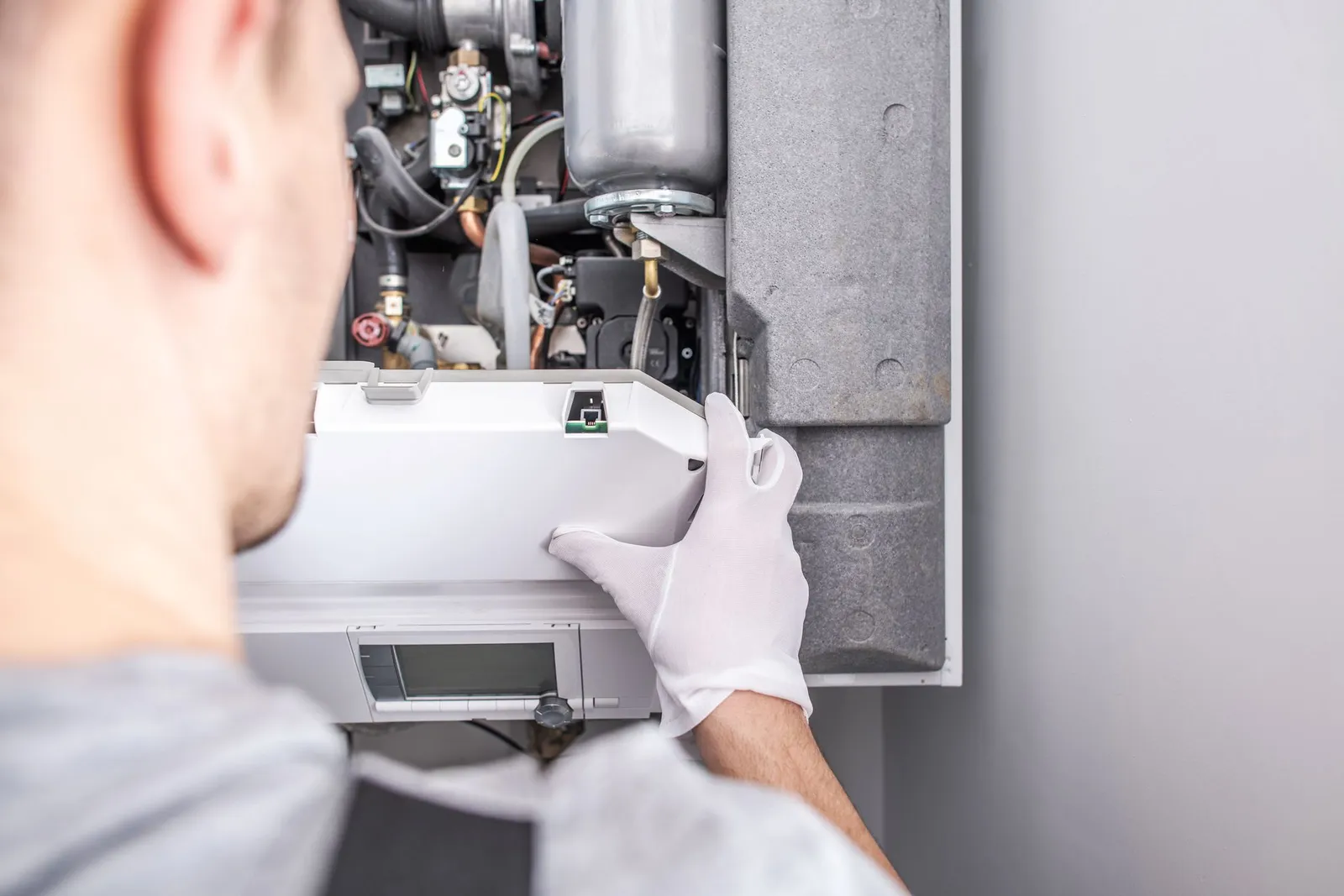
A professional tune-up includes:
- Cleaning coils and burners
- Inspecting electrical and gas connections
- Lubricating moving parts
- Testing airflow and system performance
- Replacing dirty filters
Many homeowners see 10–15% energy savings after a thorough tune-up alone.
2. Replace Air Filters More Frequently
Dirty filters are one of the most common—and most overlooked—causes of high energy bills.
When filters are clogged:
- Airflow is restricted
- Blowers work harder
- Systems overheat or short cycle
- Energy usage increases
During peak heating and cooling seasons, filters should be replaced every 30–60 days.
Upgrading to a higher-efficiency pleated filter can further reduce dust and improve airflow.
3. Seal Duct Leaks and Improve Airflow
Leaky ducts can waste up to 30% of conditioned air, especially in older Utah homes with attic or crawl-space ductwork.
Signs of duct leakage include:
- Uneven temperatures
- Dust buildup
- High energy bills
- Weak airflow in certain rooms
Professional duct sealing and airflow balancing can dramatically improve efficiency without replacing equipment.
4. Upgrade to a Smart Thermostat
Smart thermostats optimize HVAC operation automatically.
They:
- Reduce runtime when you're away
- Adjust temperatures based on habits
- Provide energy usage insights
- Prevent unnecessary heating and cooling
Most homeowners recover the cost of a smart thermostat within the first year through energy savings alone.
5. Use Programmable Temperature Setbacks
Even without a smart thermostat, simple scheduling helps reduce energy use.
Recommended setbacks:
- Winter: Lower thermostat 7–10°F when sleeping or away
- Summer: Raise thermostat 7–10°F during the day
These adjustments can reduce HVAC energy usage by up to 10% annually.
6. Improve Home Insulation and Air Sealing
Your HVAC system can only work efficiently if conditioned air stays inside your home.
Common heat loss areas include:
- Attics
- Windows and doors
- Crawl spaces
- Electrical outlets and wall penetrations
Sealing drafts and adding insulation reduces HVAC runtime and improves comfort immediately.
7. Clean and Clear Vents and Registers
Blocked vents restrict airflow and force systems to work harder.
Make sure:
- Furniture isn't blocking vents
- Registers are fully open
- Return vents are unobstructed
Even airflow distribution reduces energy waste and improves comfort.
8. Manage Humidity Levels
Humidity impacts how warm or cool your home feels.
In winter:
- Dry air makes homes feel colder
- You turn the heat higher than necessary
In summer:
- High humidity makes homes feel warmer
Adding a whole-home humidifier or dehumidifier can allow lower thermostat settings while maintaining comfort.
9. Address Minor Repairs Early
Small HVAC issues—like failing capacitors, dirty sensors, or worn belts—reduce efficiency long before systems fail.
Fixing minor issues early prevents:
- Energy waste
- Larger breakdowns
- Emergency service calls
Routine inspections catch these issues before they become costly.
10. Adjust Daily Habits
Simple habit changes can significantly impact energy usage.
Energy-saving habits include:
- Closing blinds during hot afternoons
- Using ceiling fans to circulate air
- Keeping doors closed in unused rooms
- Running heat-generating appliances during off-peak hours
These small changes add up over time.
11. Consider Strategic System Upgrades
Even without full replacement, small upgrades can improve efficiency:
- Variable-speed blower motors
- Advanced air filtration systems
- Zoned airflow controls
These upgrades reduce strain on your existing system and improve performance.
12. Track and Monitor Your Energy Usage
Monitoring energy usage helps identify inefficiencies early.
Smart thermostats and utility monitoring tools allow homeowners to:
- Track usage trends
- Spot unusual spikes
- Adjust habits accordingly
Awareness alone often leads to energy savings.
Real Example from Cache Valley
A homeowner in Hyrum complained of high winter heating bills. After inspection, we:
- Sealed duct leaks
- Installed a smart thermostat
- Replaced clogged filters
- Balanced airflow
Result:
- 22% reduction in heating costs
- Improved comfort
- No equipment replacement required
Lower Bills Start with Smarter HVAC Use
Replacing your HVAC system isn't the only way to save money. In many cases, strategic improvements and professional maintenance can deliver meaningful energy savings—without the cost of new equipment.